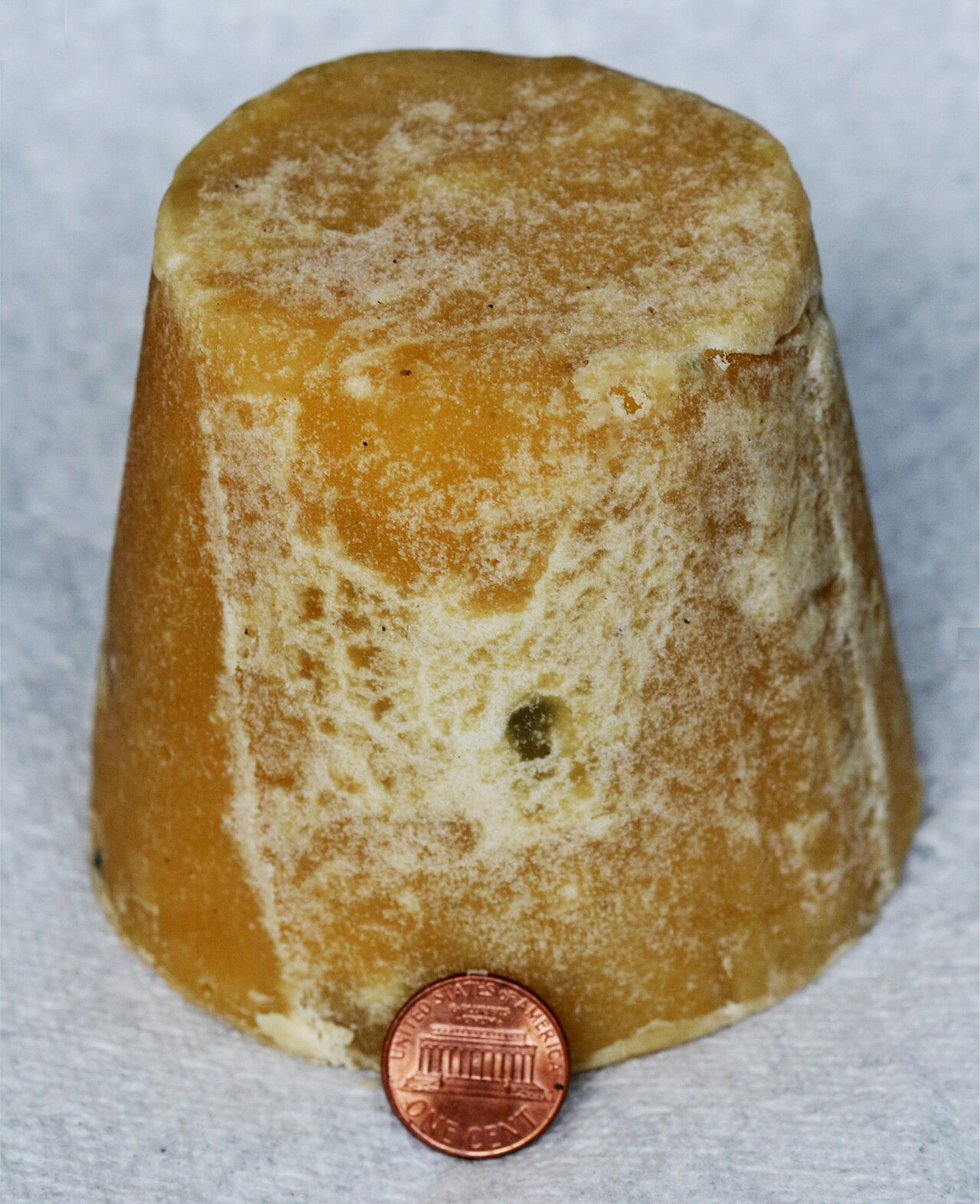
Why Make Homemade Jaggery? Cleaner, Additive-Free Sweetness
In an age where discerning consumers increasingly scrutinize ingredient lists and seek transparency in food production, the allure of crafting your own staples has never been stronger. Among the array of processed sweeteners lining supermarket shelves, a desire for natural, wholesome alternatives is driving many back to traditional methods. This growing curiosity often leads to questions about authentic, unrefined sugars and the possibility of creating them at home. If you've ever pondered the origins of your sugar or yearned for a purer, additive-free sweetener, then understanding homemade jaggery is your next step. This article will delve into the compelling reasons to make your own jaggery, exploring not only its benefits but also the fascinating process of how to make unrefined cane sugar jaggery right in your kitchen.
What Exactly is Jaggery (Gur)? Unpacking This Traditional Sweetener
Before we delve into the "how-to," it's essential to understand what jaggery is and what sets it apart. Often referred to as "Gur" in Hindi and widely consumed across India and Southeast Asia, jaggery is a distinct type of unrefined sugar. While commonly derived from concentrated sugarcane juice, variations made from coconut sap and date palm also exist, each offering unique flavour profiles.
The defining characteristic of jaggery is its inherent unrefined nature. Unlike white sugar, which undergoes extensive processing to separate molasses from sucrose crystals, jaggery retains its natural molasses content. This lack of separation is precisely what gives jaggery its spectrum of colours, ranging from a delicate golden hue to a rich, dark brown. This natural retention of molasses isn't just about colour; it’s about preserving a more complex flavour and a higher nutritional value, containing traces of minerals and vitamins that are typically stripped away in highly refined sugars.
It's crucial to distinguish jaggery and unrefined cane sugar from commercial brown sugar. Many people often mistake brown sugar for a less refined alternative, but the reality is quite different. Commercial brown sugar is typically made by refining white sugar through a centrifugal process, removing all the molasses, and then re-introducing a specific amount of molasses back into the purified white sugar crystals. This results in a product that, while brown and slightly moist, has been through a significantly more extensive and artificial refining process compared to jaggery. In contrast, jaggery and natural unrefined cane sugar are products where nothing (apart from natural impurities) is removed from the original sugarcane juice, making them inherently different in composition, processing, and nutritional profile.
Why Choose Homemade? The Purity of DIY Jaggery
The primary motivation behind learning how to make unrefined cane sugar jaggery at home boils down to one word:
purity. While commercial jaggery is a better alternative to white sugar, even these products can sometimes fall short of a truly 'clean' process.
The Additive Conundrum in Commercial Production
In large-scale commercial jaggery production, the process of extracting and boiling sugarcane juice often includes additional steps that might introduce unwanted elements. The reference context highlights that some commercial versions may add "bleaching or purifying agents" to "clean" the juice. These agents are typically used to achieve a lighter colour (which some consumers mistakenly associate with higher quality) or to extend shelf life. While these additives might be deemed safe in small quantities, for those seeking to minimize their intake of processed ingredients and chemicals, they present a clear drawback.
Unparalleled Control and Transparency
Making jaggery at home gives you complete control over every stage of the process. You dictate what goes into your sweetener – or more accurately, what *doesn't*. This means no bleaching agents, no artificial colours, and no unknown purifiers. The result is a genuinely cleaner product, allowing you to enjoy sweetness derived purely from nature. This transparency is invaluable, especially for families with dietary restrictions or those simply committed to a whole-foods lifestyle. By making your own, you're not just creating a product; you're cultivating peace of mind.
Enhanced Nutritional Value
Because homemade jaggery meticulously retains all the molasses present in the sugarcane juice, it inherently offers a richer nutritional profile compared to its refined counterparts. While not a primary source of vitamins and minerals, jaggery does contain trace amounts of iron, magnesium, potassium, and calcium. These naturally occurring nutrients, often lost in the refining process of white sugar, contribute to a slightly more wholesome sweetening option. This added value makes homemade jaggery a thoughtful choice for those looking to enjoy sweetness with a subtle nutritional bonus.
Furthermore, for those in regions where jaggery or unrefined cane sugar isn't readily available, or where high-quality options are expensive, the DIY approach becomes a practical and often more economical solution. For those eager to dive deeper into the hands-on process, our guide on
Unrefined Cane Sugar & Jaggery (Gur): Easy Home Processing offers detailed steps to get you started.
The Simple Science: How to Make Unrefined Cane Sugar Jaggery
At its heart, the process of how to make unrefined cane sugar jaggery is remarkably simple, relying on time-tested methods of concentration. The magic ingredient, as you might guess, is sugarcane.
The Sole Ingredient: Sugarcane Juice
The journey begins with fresh sugarcane juice. While harvesting and juicing sugarcane directly can be quite an undertaking due to the toughness of the stalks requiring specialized machinery, many local stores, farmers' markets, or ethnic grocery stores now offer freshly pressed sugarcane juice. Sourcing high-quality, fresh juice is paramount, as it forms the entire foundation of your jaggery.
The Transformative Process: From Juice to Jaggery
Once you have your sugarcane juice, the transformation into jaggery involves a few key stages:
1.
Initial Filtration: The first step involves filtering the freshly extracted juice to remove any larger particulate matter, such as sugarcane fibers or bits of rind. A fine-mesh sieve or cheesecloth works effectively for this. This step ensures a smoother, cleaner base for your jaggery.
2.
Boiling and Concentration: This is the most crucial stage. Transfer the filtered juice to a large, wide, heavy-bottomed pot. The wide surface area is important as it allows for quicker evaporation. Begin to boil the juice over medium-high heat. As the juice heats up and starts to simmer, impurities will rise to the surface as a foamy scum. It’s essential to continually skim this off with a ladle or slotted spoon. This diligent skimming is your natural "purifying" step, ensuring a clean final product without the need for chemical agents. The juice will gradually thicken, changing in colour from a light green or yellow to a darker golden-brown syrup.
*
Key Insight: Patience is vital here. This concentration process can take several hours, depending on the volume of juice and the heat intensity. The goal is to evaporate the water content, leaving behind a rich, thick syrup.
3.
Achieving the Right Consistency: As the syrup thickens, you'll need to monitor its consistency closely. The ideal stage for jaggery is when it reaches a thick, caramel-like consistency. A common test involves dropping a small amount of the hot syrup into a bowl of cold water. If it forms a firm yet pliable ball that can be pressed between your fingers, it’s ready. Alternatively, a candy thermometer can be used, aiming for approximately 245-250°F (118-121°C) – the firm ball stage.
4.
Cooling and Solidification: Once the syrup reaches the correct consistency, immediately remove it from the heat. Carefully transfer the hot, thick syrup into large, wide, clean containers or molds. Traditionally, this is done in shallow trays or individual molds, allowing the jaggery to cool and solidify into blocks, squares, or rectangles. If you desire granulated unrefined cane sugar instead of solid blocks, you would stir the mixture vigorously as it cools. This agitation prevents it from solidifying into a single block and encourages the formation of individual granules.
This fundamental process, simple yet precise, is how you create unadulterated jaggery. If you're ready to embark on this sweet journey, explore our comprehensive instructions on
Craft Your Own Jaggery & Unrefined Cane Sugar From Sugarcane for a step-by-step guide to mastering this traditional art.
Practical Tips for Your Homemade Jaggery Journey
Embarking on the creation of homemade jaggery can be a rewarding experience. Here are some practical tips to ensure your success:
*
Source the Best Juice: The quality of your jaggery hinges entirely on the quality of your sugarcane juice. Seek out fresh, undiluted juice from reputable sources. Ask your vendor if any additives or preservatives are used.
*
Invest in the Right Tools: A large, heavy-bottomed stainless steel or cast-iron pot is crucial to prevent scorching and ensure even heating. A long-handled ladle for stirring and skimming, a fine-mesh skimmer, and heat-resistant molds (silicone or metal) are also invaluable. A candy thermometer offers precision, especially for beginners.
*
Maintain Consistent Heat: While boiling needs to be vigorous, avoid excessively high heat that can cause scorching. Medium to medium-high heat with attentive stirring is ideal.
*
Skim Diligently: Don't underestimate the importance of skimming the impurities that rise to the surface. This is your natural purification process and will significantly impact the clarity and taste of your final product.
*
Patience, Patience, Patience: Boiling down sugarcane juice takes time. Do not rush the process. Enjoy the slow transformation and the sweet aroma filling your kitchen.
*
Safety First: Dealing with hot sugar syrup requires caution. Wear oven mitts and be mindful of splashes and steam. The syrup is extremely hot and can cause severe burns.
*
Proper Storage: Once your jaggery blocks or granules have fully cooled and solidified, store them in airtight containers in a cool, dry place. Humidity can cause jaggery to soften and become sticky. Properly stored, homemade jaggery can last for several months.
*
Experiment with Form: Try pouring the syrup into different sized molds for varied jaggery portions, or stir it continuously as it cools for a granulated unrefined cane sugar that works beautifully in baking.
Conclusion
Making homemade jaggery is more than just a culinary experiment; it’s a commitment to cleaner, additive-free sweetness and a reconnection with traditional food processes. By understanding how to make unrefined cane sugar jaggery, you gain unparalleled control over the purity of your food, ensuring that every spoonful is free from unwanted chemicals and retains the natural goodness of sugarcane. The process, while requiring patience, is inherently simple and deeply rewarding, culminating in a versatile, molasses-rich sweetener that’s far superior to its refined counterparts. Embrace the journey of crafting your own jaggery and discover the true, unadulterated taste of nature's candy, bringing a touch of wholesome tradition back into your modern kitchen.