In a world increasingly conscious about the origins and processing of the food we consume, the appeal of natural, unrefined sweeteners has never been stronger. For many, this journey leads to a fascinating and rewarding culinary adventure: learning how to make unrefined cane sugar and jaggery (gur) right in their own kitchen. Imagine transforming simple sugarcane juice into two distinct, molasses-rich sweeteners, free from the additives and extensive processing often found in commercial products. It's a testament to patience, simple techniques, and a desire for authentic, cleaner sweetness.
The journey from fresh sugarcane to golden granules or earthy blocks of jaggery is surprisingly straightforward, requiring little more than pure sugarcane juice and careful attention. Whether you're exploring this craft out of curiosity, a pursuit of healthier alternatives, or because these traditional sweeteners are hard to find locally, mastering their home production offers immense satisfaction. This comprehensive guide will take you through the entire process, demystifying the art of turning sugarcane's natural bounty into delicious, homemade unrefined cane sugar and jaggery, also known as gur.
Unlock the Sweetness: Why Make Your Own Unrefined Cane Sugar & Jaggery?
The decision to embark on the journey of crafting your own jaggery and unrefined cane sugar from sugarcane is often driven by a desire for purity and control. When you make these sweeteners at home, you eliminate the question marks surrounding commercial processing. Many store-bought versions, even those marketed as "natural," can contain bleaching agents, artificial clarifiers, or other unwanted additives. Homemade ensures a truly clean product, where the only ingredients are sugarcane juice and the natural processes of evaporation and crystallization.
Beyond purity, there's a unique sense of connection to your food. Understanding the simple transformation of a plant's sap into a beloved sweetener deepens appreciation for traditional methods and natural ingredients. It's an educational experience that highlights the elegance of minimal processing. Furthermore, for those living in regions where authentic jaggery or high-quality unrefined cane sugar is not readily available, home production opens up a world of culinary possibilities, allowing you to incorporate these distinct flavors into your cooking and baking.
Understanding the Sweet Spectrum: Jaggery vs. Unrefined Cane Sugar vs. Brown Sugar
Before diving into the practical steps of why make homemade jaggery, cleaner additive-free sweetness, it's crucial to understand what distinguishes jaggery and unrefined cane sugar from other sweeteners, particularly their more processed cousin, brown sugar.
What is Jaggery (Gur)?
Jaggery, universally known as "Gur" in India and across Southeast Asia, is a traditional unrefined sugar product typically made from concentrated sugarcane juice. While some regional variations exist using coconut or date palm sap, the most common form is sugarcane-derived. Its hallmark is the absence of molasses separation from the sugar crystals, giving it a rich, complex flavor profile and a color spectrum ranging from light golden to deep brown. Jaggery is often sold in solid blocks, cones, or small cakes, boasting a unique, almost caramel-like taste with subtle earthy undertones.
What is Unrefined Cane Sugar?
Unrefined cane sugar, sometimes confused with brown sugar due to its granulated form and color, is also a product of concentrated sugarcane juice. Like jaggery, it retains its natural molasses content, which gives it a darker hue and a more robust flavor compared to white sugar. The key difference from jaggery lies in its final form: unrefined cane sugar is granulated, meaning the concentrated syrup is stirred during cooling to prevent it from solidifying into a block, resulting in individual crystals.
The Critical Difference: Jaggery/Unrefined Cane Sugar vs. Brown Sugar
Despite their similar appearance, brown sugar is fundamentally different from jaggery and unrefined cane sugar. Regular brown sugar is typically white sugar (which has undergone extensive centrifugal processing to remove all molasses) that has had a specific amount of molasses *added back* to it. This process removes the natural impurities and much of the inherent nutritional value found in sugarcane before reintroducing a calculated amount of molasses for color and flavor.
In contrast, both jaggery and unrefined cane sugar are minimally processed. They bypass the centrifugal separation of molasses, meaning they retain the natural vitamins and minerals present in the sugarcane juice. This makes them not only richer in flavor but also potentially more nutritious than highly refined sugars, offering a natural sweetness with a deeper character.
The Sole Ingredient: Sourcing Sugarcane Juice for Your Sweet Endeavor
The beauty of making unrefined cane sugar and jaggery at home lies in its single, pure ingredient: sugarcane juice. This foundational element is where your journey begins, and its quality will dictate the final taste and texture of your homemade sweeteners.
Where to Find Sugarcane Juice:
- Local Juicers/Markets: The most convenient and often freshest option is to purchase freshly pressed sugarcane juice from a local vendor or specialty store. Many ethnic markets or health food stores, especially those catering to diverse culinary traditions, might have in-house juicers or offer fresh juice. This bypasses the challenging step of processing raw sugarcane yourself.
- Raw Sugarcane: If you have access to whole sugarcane stalks (perhaps from a farmers' market or an agricultural supplier), you can juice them yourself. However, be aware that sugarcane is incredibly fibrous and tough, requiring a heavy-duty, commercial-grade juicer to extract the juice effectively. Standard home juicers are generally not powerful enough for this task.
Tips for Selecting Sugarcane Juice:
- Freshness is Key: Sugarcane juice starts to ferment relatively quickly. Aim to use juice that has been extracted within a few hours for the best results. If purchasing, inquire about when it was pressed.
- Purity: Ensure the juice you acquire is pure sugarcane juice, without any added water, ice, or other flavorings.
- Quantity: Keep in mind that a significant amount of sugarcane juice will reduce down to a much smaller quantity of sugar. Plan accordingly based on how much finished product you desire. For example, several liters of juice might yield only a few hundred grams of jaggery or granulated sugar.
Mastering the Craft: Two Methods for Homemade Unrefined Sweeteners
Once you have your fresh sugarcane juice, the magic begins. Both unrefined cane sugar and jaggery follow similar initial steps of boiling and purification, diverging only in their final cooling and crystallization processes.
Method 1: Crafting Molasses-Rich Granulated Unrefined Cane Sugar
This method yields a beautiful, free-flowing, dark brown sugar with a complex flavor.
- Initial Boiling and Skimming: Pour the sugarcane juice into a large, heavy-bottomed pot. Bring it to a boil over medium-high heat. As it heats, impurities will rise to the surface, forming a foamy scum. Continuously skim off this foam using a ladle or fine-mesh sieve. This step is crucial for clarity and purity. Continue skimming until no more foam rises, and the juice appears clear.
- Concentration: Reduce the heat to medium-low and allow the juice to simmer gently. This slow evaporation will concentrate the sugars. Stir occasionally to prevent scorching. Be patient; this can take several hours depending on the volume of juice. The juice will gradually thicken and darken, transforming into a thick syrup.
- Checking for Doneness: The critical stage is knowing when the syrup is ready for granulation. You're looking for a "soft ball" stage, similar to candy making.
- Cold Water Test: Drop a small amount of the hot syrup into a bowl of cold water. It should form a soft, pliable ball that can be picked up. If it dissolves, it needs more cooking. If it's hard and brittle, you've gone too far (it might still work for jaggery blocks, but granulation will be harder).
- Visual Cue: The syrup will be very thick, resembling honey or molasses, and will drip slowly from a spoon.
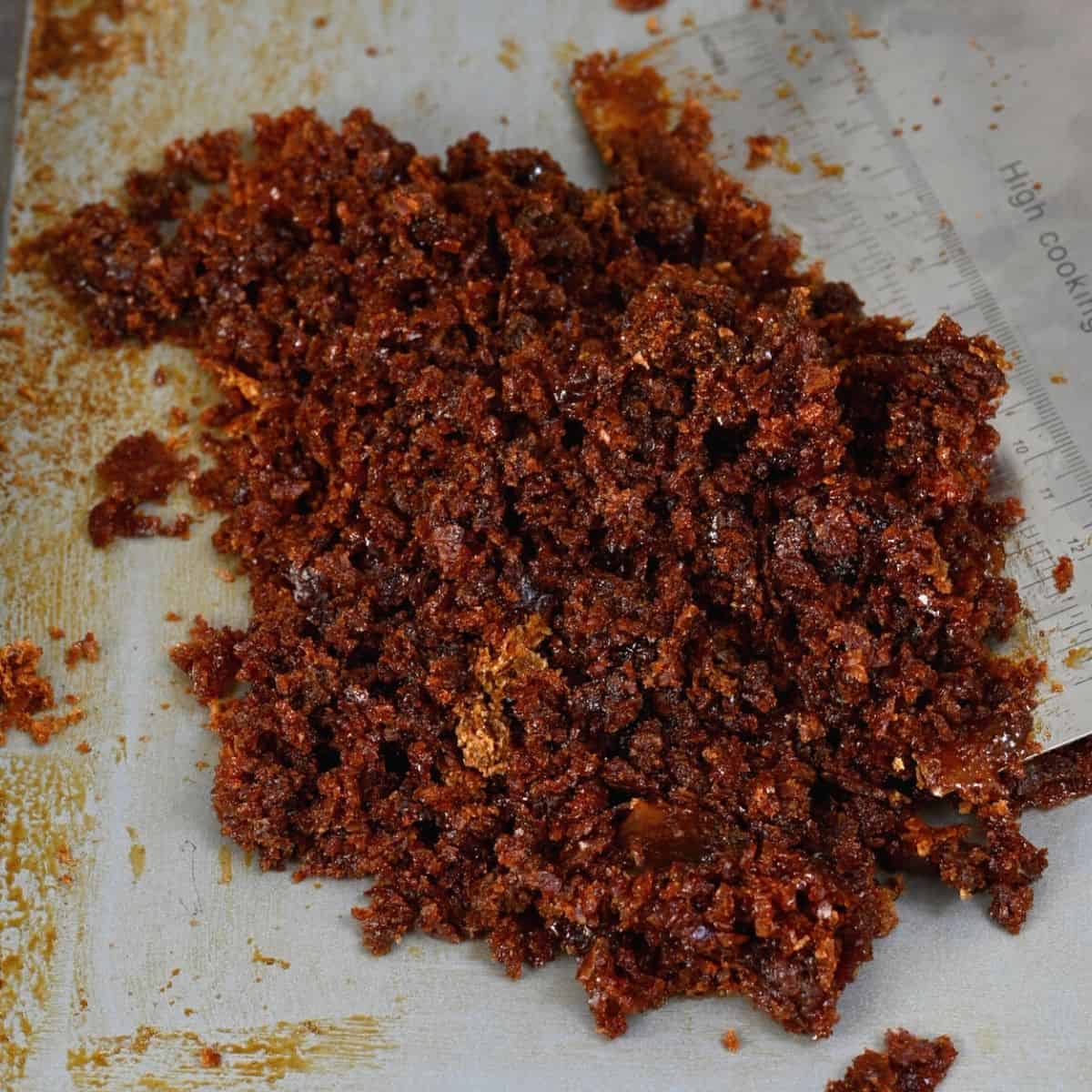
- Granulation: Remove the pot from the heat. Allow it to cool for a few minutes until it's safe to handle but still very warm. Now, vigorously stir the syrup. As it cools further, the sugar crystals will begin to form and separate from the molasses, resulting in a granulated texture. This can take 15-30 minutes of continuous stirring. You'll notice it changing from a thick syrup to a more granular, sandy consistency.
- Drying and Storage: Once granulated, spread the unrefined cane sugar thinly on a baking sheet lined with parchment paper. Allow it to air dry completely for several hours or overnight to ensure no moisture remains. Once fully dry, store it in an airtight container at room temperature.
Method 2: Creating Traditional Jaggery (Gur) Blocks
This method yields solid blocks of jaggery, perfect for grating or melting.
- Initial Boiling and Skimming: Follow the same initial steps as for granulated sugar: boil the sugarcane juice in a large, heavy-bottomed pot, continuously skimming off impurities until the juice is clear.
- Concentration: Continue to simmer the juice over medium-low heat, stirring occasionally, until it thickens considerably. For jaggery, you want a slightly higher concentration than for granulated sugar.
- Checking for Doneness: For jaggery, you need to reach a firmer consistency, closer to a "firm ball" or even "hard ball" stage.
- Cold Water Test: Drop a small amount of hot syrup into cold water. It should immediately form a firm, pliable ball that holds its shape. If you press it between your fingers, it should be firm but still somewhat malleable. If it shatters, it's overcooked.
- Visual Cue: The syrup will be extremely thick, dark, and syrupy, almost like tar. When dropped from a spoon, it should hold its shape momentarily.
- Molding the Jaggery: Once the syrup reaches the desired consistency, remove it from the heat. Immediately pour the hot, thick syrup into greased molds (e.g., small loaf pans, silicone molds, or even simply into a greased baking dish).
- Cooling and Setting: Allow the jaggery to cool completely at room temperature. As it cools, it will solidify into firm blocks. Depending on the size, this can take several hours. Once fully set, carefully unmold the jaggery.
- Storage: Store jaggery blocks in an airtight container in a cool, dry place. Humidity can make jaggery sticky, so proper storage is important.
Important Tips for Both Methods:
- Patience is Paramount: Boiling and concentrating sugarcane juice takes time. Rushing the process can lead to scorching or an inconsistent product.
- Heat Control: Maintain a consistent, gentle simmer after initial boiling. High heat can burn the sugars.
- Safety First: Working with boiling sugar syrup involves very high temperatures. Always use heat-resistant gloves and exercise extreme caution to avoid burns.
- Cleanliness: Ensure all your equipment is spotless to avoid introducing any contaminants that could affect the taste or setting of your sugar.
Beyond the Sweetness: Benefits, Tips, and Storage for Your Homemade Gur
Making your own unrefined cane sugar and jaggery offers more than just a sweet treat; it's a step towards more mindful consumption. By retaining the molasses, these homemade sweeteners offer a unique flavor profile that refined sugars lack, making them excellent in traditional recipes, beverages, and desserts where a deeper, richer sweetness is desired.
The Benefits of Homemade:
- Additive-Free Purity: You control every step, ensuring no artificial clarifiers, bleaching agents, or preservatives make it into your final product.
- Nutrient Retention: Unlike refined sugars, your homemade versions retain trace minerals and antioxidants present in the molasses, thanks to minimal processing.
- Unique Flavor: Experience the true, complex taste of sugarcane, a nuanced sweetness with notes of caramel and earthiness that cannot be replicated by refined white sugar.
Practical Tips for Success:
- Consistency Check is Key: Practice the cold water test until you're confident in recognizing the different stages of sugar concentration. This is the most crucial skill.
- Experiment with Stirring: For granulated sugar, varying the speed and duration of stirring during cooling can affect the crystal size.
- Troubleshooting: If your jaggery doesn't set, it might not have been cooked long enough. You can re-melt it and continue cooking. If your granulated sugar remains clumpy, it might not have been stirred enough or dried sufficiently.
Storage Recommendations:
- Airtight Containers: Both granulated unrefined cane sugar and jaggery blocks should be stored in airtight containers to protect them from moisture and pests.
- Cool, Dry Place: Store at room temperature in a pantry or cupboard away from direct sunlight and humidity. High humidity can cause jaggery to become soft and sticky, and granulated sugar to clump.
- Shelf Life: Properly stored, homemade unrefined cane sugar and jaggery can last for several months, if not longer.
Embrace the rich flavors and purity of these traditional sweeteners in your daily life. Use granulated unrefined cane sugar in your coffee, tea, or baking, and grate jaggery into curries, porridges, or simply enjoy a small piece as a natural digestive aid after meals. The possibilities are endless, and the satisfaction of having crafted them yourself is truly unmatched.
The journey of learning how to make unrefined cane sugar and jaggery at home is more than just a culinary technique; it's a return to simplicity, a celebration of natural ingredients, and a commitment to understanding the food we eat. With a single ingredient and a bit of patience, you can transform humble sugarcane juice into exquisite, additive-free sweeteners that will elevate your cooking and provide a deeper connection to the earth's bounty. Enjoy the sweet rewards of your labor!
